Apple Poised for Major Leap in 2026: Foldable iPhone, Smarter Siri, and Next-Gen Health Tech Rumored


Apple aficionados are already looking to 2026 with anticipation as rumors and reports swirl about a slate of potentially groundbreaking products on the horizon. The tech giant is said to be preparing not just iterative hardware updates but bold steps into new product categories, powerful artificial intelligence improvements, and innovative reimaginings of its existing devices. Industry analysts and insiders suggest that the next few years will be pivotal for Apple as it seeks to maintain its leadership amid fierce competition.
One of the most talked-about possibilities is the arrival of Apple’s first-ever foldable iPhone. Speculation about such a device has raged for years, but recent leaks and patent activity indicate 2026 could finally be the year it emerges. The foldable iPhone is expected to boast a flexible OLED display, allowing users to switch seamlessly between a compact phone mode and an expansive tablet experience. If these reports prove accurate, Apple could join rivals like Samsung, who have already ventured into the foldable market.
Foldable smartphones represent a new frontier in mobile device engineering. Samsung and Huawei have demonstrated that compact devices with expanding screens can resonate with consumers seeking versatility. Apple’s reputed entry into this space is notable, as the company typically waits for technologies to mature before offering its own version. By applying its signature approach to hardware quality and user experience, Apple could set new standards in the foldable device segment.
Beyond hardware, artificial intelligence is a major focus for Apple’s future efforts. Sources point to a significant overhaul for Siri, Apple’s digital assistant, powered by advanced generative AI. The planned refresh aims to make Siri smarter, more proactive, and capable of offering personalized recommendations by analyzing user habits and preferences. This would mark a dramatic leap from Siri’s current, sometimes limited conversational abilities, with improved contextual understanding and integrated support across Apple’s ecosystem.
Apple’s investment in AI is partly a response to rapid advancements shown by competitors in generative tech, particularly companies like Google and Microsoft. Both have recently introduced AI-powered assistants with conversational prowess and context-aware functionality, raising the bar for digital helpers. With this landscape shift, Apple’s next-generation Siri is likely to become more competitive, potentially unleashing new workflows for users across devices and platforms.

In addition to the foldable iPhone and smarter Siri, Apple is rumored to be exploring fresh hardware designs for the iPad and Mac lineups. The iPad could see slimmer bezels, upgraded processors courtesy of the next-generation Apple Silicon chips, and further integration of AI-driven features to enhance multitasking and creativity. Similarly, the Mac portfolio is expected to incorporate more machine learning functionality, facilitating tasks like image recognition, predictive text, and workflow automation.
The iPad has become a vital bridge between the iPhone and Mac. With each update, Apple pushes the limits of mobile productivity, offering powerful tools for artists, students, and professionals. Integrating advanced AI both at the silicon and software level could make future iPads more responsive and adaptable to user needs, while supporting emerging applications in creative fields and remote work environments.
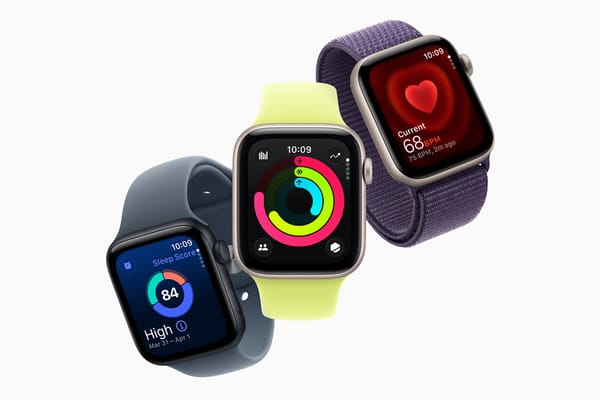
Wearable technology is also in Apple’s sights for 2026, with speculation centered on an Apple Watch redesign and possible new health sensors. Apple’s ongoing investment in wellness features—such as heart rate tracking and blood oxygen monitoring—has cemented the watch’s role as a personal health companion. Upcoming models may add capabilities like blood pressure measurement and enhanced sleep analysis, helping users gain more actionable insight into their wellbeing.
Historically, Apple has leveraged close partnerships with medical research organizations and regulatory agencies to bring reliable health features to its devices. This careful approach ensures accuracy and user privacy, often making Apple’s health technology the benchmark in wearables. If new sensors debut in 2026, they will likely be supported by robust scientific validation and broad application across different health scenarios.
Apple’s potential product innovations for 2026 point to an exciting period of transformation—not only in hardware form factors but also in intelligent software experiences. As the company readies itself for a future defined by foldability, smarter assistants, and personalized health tech, users can anticipate devices that feel genuinely new and more interconnected than ever before. Whether these predictions become reality remains to be seen, but expectations are reaching fever pitch as the industry watches Apple’s next big moves.